You can learn web design in Nigeria for free, using HTML, CSS, and a tool like Figma, but the order matters more than the money. Start with HTML and CSS so you understand how a website actually works, add a design tool to plan layouts, practice on real small projects rather than tutorial exercises, and join a Nigerian tech community for feedback and work. Most people get the basics in 3 to 6 months with consistent practice. This guide covers the free tools, where to learn (free and paid), how long it takes, what it costs, and when it's worth paying for structured training instead of figuring it out alone.
You can learn web design in Nigeria without spending a single naira. You can also pay for a training course and come out the other side unable to build a contact form that actually sends an email. The money isn't the variable that decides which one happens. The order you learn things in is.
The direct answer: start with HTML and CSS, the actual language every website is built from, using free resources like freeCodeCamp and MDN. Add a design tool like Figma so you can plan a layout before you build it. Practice on real small projects, not tutorial exercises you'll never look at again. Join a Nigerian tech community for feedback, because nobody learns this well in isolation. Then, once the basics are solid, decide whether to keep going solo or pay for structured training to skip months of trial and error.
That's the shape of it. Here's each step in more detail, what it costs, how long it takes, and when paying for training is actually worth it.

What web design actually means in Nigeria
"Web design" gets used loosely. Some people mean the visual side, colours, layout, fonts, the part you'd do in Figma or Canva. Others mean the whole job, including the HTML, CSS, and sometimes JavaScript that turns that visual layout into an actual working website. In Nigeria, most paid work expects you to do both, at least at a basic level.
That distinction matters because it changes what you should learn first. If you only learn the visual side, you can design something that looks great in Figma and then can't build it, or you can only hand it to a developer and hope they interpret it the way you intended. If you learn HTML and CSS first, you understand the constraints of what a browser can actually do, which makes you a better designer even before you touch a design tool.
Nobody wakes up thinking "I should really understand the difference between margin and padding today." And yet, if you're learning web design, that's roughly where week one lives. That's normal. It's also the part most people skip, which is exactly why so many "designs" never make it past a PDF export.
For most Nigerian small businesses, "web design" in practice means: a website that loads fast on a phone, looks right on a small screen, and lets a customer find your services, your contact details, and a way to reach you. That's the actual job, regardless of which tools you end up using to do it.

The free tools that get you started without spending anything
You don't need to buy anything to start. The tools that matter most are free, and most of them work in a browser.
For design: Figma is the standard now, used by agencies and freelancers across Nigeria and globally. The free plan covers everything a beginner needs. Canva is useful for quick visual mockups but won't teach you the layout thinking that Figma will.
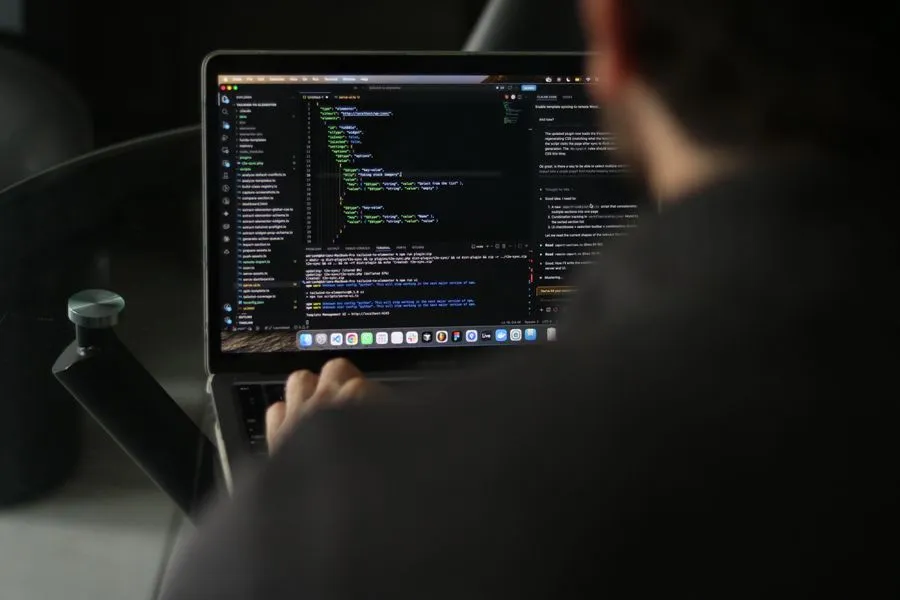
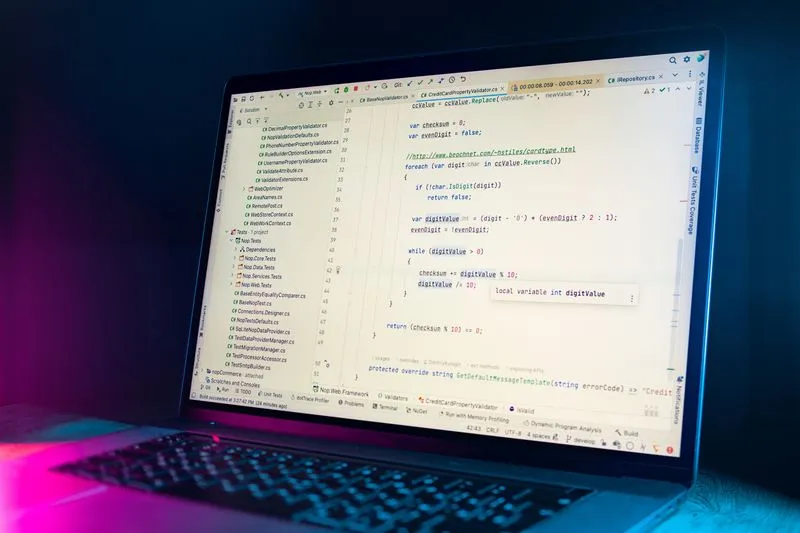
For code: Visual Studio Code (VS Code) is the editor almost everyone uses, and it's free. CodePen lets you write HTML, CSS, and JavaScript in the browser and see the result instantly, which is the fastest way to experiment without setting anything up.
For learning: freeCodeCamp and MDN (the Mozilla Developer Network) are the two most reliable free resources for HTML and CSS fundamentals. W3Schools is fine for quick reference once you understand the basics, but it's better as a dictionary than a teacher.
For practice: GitHub Pages and Netlify both let you publish a website for free, with your own URL. Building something and putting it online, even a single page, beats a folder of tutorial files that only exist on your laptop.
Put these together and the total cost to start is your time and a stable internet connection. The "is web design expensive to learn" question usually comes from people who haven't looked at this list yet.
Learn HTML and CSS first, even if design is the goal
This is the step most beginners try to skip, and it's the one that determines whether you can actually work with developers, agencies, or clients later.
HTML structures a page: headings, paragraphs, images, buttons, forms. CSS controls how it looks: colours, spacing, layout, fonts, responsiveness. Together they're the actual material every website is made from, the same way knowing how paint and canvas behave matters even if you eventually work mostly in digital art.
Spend your first few weeks on HTML and CSS specifically, not a general "web development" course that rushes through them to get to JavaScript or frameworks. freeCodeCamp's responsive web design certification covers this well and is free. Aim to be able to build a simple, real page, a one-page business site with a header, some text, an image, and a contact form, using just HTML and CSS, before you move on.
Here's the part that surprises people: once you understand HTML and CSS, Figma makes more sense, not less. You'll design layouts that are actually buildable, because you'll know what a browser can and can't do easily. Designers who skip this step tend to design things that look impressive and take a developer three extra days to approximate.

Where to learn web design in Nigeria, free and paid
Free, self-paced: freeCodeCamp (HTML, CSS, JavaScript, full curriculum, free), MDN Web Docs (reference and guides), and Figma's own "Figma for beginners" tutorials on YouTube. Google Digital Garage and LinkedIn Learning also have free introductory courses, useful for orientation even if they don't go deep.
Paid, self-paced: Udemy and Coursera regularly discount web design and Figma courses, sometimes heavily. These work well if you already know roughly what you're looking for and want a structured path with exercises, rather than piecing one together from free resources yourself.
Local, in-person or live online training: This is where structure and feedback come from a real person, not just a video. The trade-off with free resources is time, not quality. A free curriculum can teach you everything, but nobody is checking your work, answering your specific questions, or telling you when you're about to build a habit that'll slow you down for the next year.
There's no wrong starting point here. The mistake is starting five of these at once. Pick one free resource for fundamentals, get through it, then decide whether you need more structure before moving on.

Build a portfolio with real projects, not just tutorials
A portfolio of tutorial projects, the same to-do list app and the same restaurant landing page everyone builds from the same course, doesn't tell anyone much. Three real projects, even small ones, tell a different story.
"Real" doesn't mean paid client work, at least not at first. It means: a website for a business that actually exists, even if it's your cousin's shop or a community organisation that needs a simple site. A redesign of an existing website you think is poorly built, with notes on what you changed and why. A personal project that solves a real problem, even a small one.
Build it, put it online using GitHub Pages or Netlify, and write a short note explaining what you built and why you made the choices you made. That last part matters more than people expect. Anyone can copy a layout. Being able to explain why a layout works, or doesn't, is what separates someone who followed a tutorial from someone who understands the material.
Three of these, done properly, are worth more than a certificate from a course you finished but can't point to anything you built with.

Join a Nigerian tech community, this is where the work comes from
You have probably already seen a "join our community" pitch and scrolled past it. Fair enough. But for web design specifically, the communities aren't just social, they're where feedback, opportunities, and a lot of freelance work actually circulate.
ForLoop Africa and Google Developer Groups (GDG) chapters run free meetups and workshops in several Nigerian cities, both in person and online. Twitter/X has active Nigerian tech spaces where people share work, ask for feedback, and post freelance gigs. WhatsApp and Telegram groups for designers and developers exist in most major cities, usually started by people who went through the same learning process and wanted somewhere to ask "is this normal" questions.
The honest reason this matters: a beginner showing their third small project to a community of people slightly further along gets specific feedback ("this button is too small to tap on mobile, here's why") that no tutorial gives you, because tutorials don't know what you built. That feedback loop is most of what separates six months of steady improvement from six months of repeating the same mistakes in private.

How long it actually takes to learn web design
Honest answer: 3 to 6 months to get genuinely useful at the basics, HTML, CSS, a design tool, and enough JavaScript to make a page interactive, if you're putting in consistent time, a few hours most days. Getting comfortable enough to take on small paid projects usually sits somewhere in that range too, depending on how much you practice versus just watch.
Mastery, the kind that lets you handle a complex client brief without a lot of guesswork, takes longer, often a year or more of actual project work. That's not a discouraging number. It's roughly the same shape as what we tell SEO clients: the first quarter is foundations, and it looks like nothing is happening because it mostly isn't, yet. The difference shows up after that, and it compounds.
The people who stall usually stall for the same reason people stall with a new blog or a new fitness routine: they start strong, hit the part that's genuinely tedious (CSS layout quirks are a personal favourite), and stop right before it clicks. If you're three weeks in and CSS still feels like fighting the page rather than designing it, that's not a sign you're bad at this. That's week three.

When to teach yourself and when to pay for training
Teach yourself first, at least the fundamentals. The cost of finding out whether you actually enjoy this is low: free tools, free tutorials, and your time. There's no good reason to pay for a course before you know HTML and CSS exist and roughly what they do.
Where paying for structured training earns its cost back:
You're past the basics but progress has stalled. If you can build a simple page but every new project takes far longer than it should, or you keep hitting the same kind of problem without understanding why, a structured course or mentor compresses months of guesswork into weeks.
You want to do this for income, not as a hobby. If the goal is freelance work or a job within a specific timeframe, structured training with feedback on real briefs gets you there faster than self-paced learning alone, the same way a gym programme gets most people further than "I'll just work out."
You're building this for an actual business, not practice. Here's the opinion worth saying plainly: most Nigerian businesses don't need a flashy website, they need one that loads fast, works on mobile, and doesn't break the contact form. We worked with a fashion retailer in Lagos whose Instagram following wasn't converting. Their website took 14 seconds to load on a Lagos 4G connection. Visitors were arriving from Instagram, waiting, and leaving before a single product loaded. We fixed the speed in a week, hosting, images, caching, and bounce rate dropped from 91% to 43%. That's the kind of thing a half-finished web design education misses completely, because it's not about how the site looks. A site like that, built professionally with the fundamentals handled, runs ₦350,000 for a 5-page business site, and that figure includes the technical setup beginners (and some courses) skip.
If you're learning for yourself, on your own timeline, with no deadline attached to income, keep going with free resources. If any of the three things above apply, structured training is the faster route, not a sign you've failed at teaching yourself.

Want to learn web design directly from us?
Alpha Digital Network runs web design training in Abuja, online, and as 1-on-1 sessions for individuals and corporate teams. The training covers what this guide outlines, in more depth: HTML and CSS fundamentals, Figma for planning real layouts, WordPress for sites that need to be handed over to a non-technical owner, and the on-page SEO and speed basics that most "design" courses leave out entirely.
If you're outside Abuja, the online format covers the same material. If you're already past the basics and stuck on a specific project, 1-on-1 sessions are structured around that project, not generic examples.
- →Learn web design directly from us , in-person in Abuja, online, or 1-on-1, structured around real projects.
- →How much a website costs in Nigeria , what to expect if you decide to pay someone instead of building it yourself.
- →How to start a blog in Nigeria , a good first real project once you've got the basics of HTML and CSS down.
- →Send us a message , if you'd rather have your website built properly than build it yourself.
Want to learn web design yourself?
We train individuals and organisations across Nigeria and Africa. In person in Abuja, online, one-on-one, or as a group session for your team. Everything we do for clients, we teach. You walk away with skills you can use the next day.

Frequently Asked Questions About Learning Web Design in Nigeria
- Can I learn web design for free in Nigeria?
- Yes. HTML, CSS, and JavaScript fundamentals are fully covered by free resources like freeCodeCamp and MDN Web Docs, design tools like Figma have generous free plans, and you can publish projects for free on GitHub Pages or Netlify. The only paid step is optional, structured training, which speeds things up but isn't required to learn the basics.
- How long does it take to learn web design from scratch?
- Most people reach a genuinely useful level of HTML, CSS, and basic design tools in 3 to 6 months with consistent practice, a few hours most days. Handling complex client briefs without much guesswork usually takes a year or more of real project work on top of that. The first few weeks are the slowest because the fundamentals feel tedious before they click.
- Do I need to know how to code to do web design?
- For the visual side alone, no, tools like Figma and Canva don't require code. But most paid web design work in Nigeria expects at least basic HTML and CSS, because it lets you hand off designs that are actually buildable, troubleshoot small issues yourself, and work directly on platforms like WordPress. Learning HTML and CSS first also makes you better at the visual side, because you understand what a browser can realistically do.
- What is the difference between web design and web development?
- Web design usually refers to the look and layout of a website, colours, typography, structure, often done in tools like Figma. Web development covers building the working site, the HTML, CSS, JavaScript, and sometimes backend code that makes it function. In Nigeria, many roles blend both, especially for small business websites, so learning enough of each to be useful is the practical approach.
- What tools do web designers use?
- Figma for layout and design, VS Code for writing HTML and CSS, CodePen for quick experiments, and WordPress for sites that need to be editable by a non-technical client. Canva is common for quick social media graphics but isn't a substitute for Figma when designing a full website layout.
- Can a self-taught web designer get work in Nigeria?
- Yes, but a portfolio of real projects matters more than how you learned. Three small, real websites, even for a friend's business or a community group, with notes on the decisions you made, demonstrate more than a certificate. Joining a tech community like ForLoop Africa or a local GDG chapter is where a lot of early freelance work and feedback comes from.
- How much does it cost to learn web design in Nigeria?
- It can cost nothing, using free resources like freeCodeCamp, MDN, and Figma's free plan. Paid courses on Udemy or Coursera are often discounted to a few thousand naira. Structured local training costs more but adds feedback and accountability. None of these prices include what it costs to have someone build a professional website for you, which is a separate decision from learning the skill yourself.
- Is web design a good skill to learn in Nigeria right now?
- Demand is steady because almost every business, from a salon to a law firm, eventually needs a website that actually works on mobile and loads quickly. You don't need a degree to start, and the entry cost is close to zero. The honest caveat: the skill that gets you paid is finishing real projects and explaining your decisions, not collecting tutorial certificates.
These Q&As are emitted as FAQPage schema in the page head. Google may show them directly in search results.
Still not sure? Send us a message.
If you're not sure whether to learn this yourself or get your website built properly from the start, send us a WhatsApp message or give us a call. We'll look at what you're trying to do and tell you honestly whether DIY makes sense for now, or whether it's worth paying for a proper build.