
Website design in Nigeria ranges from ₦350,000 for a 5-page business site to ₦650,000 for a 10-15 page site with SEO setup. A first draft takes 10-14 business days from brief sign-off, assuming your content is ready. The difference between a website that converts and one that just exists comes down to mobile speed, basic SEO foundations, and whether you control your own domain and hosting after handover. This post covers what the work actually involves, what it should cost, and which questions tell you whether a developer knows what they're doing.
Most Nigerian businesses that have a website own something that exists, not something that works.
Getting website design in Nigeria right means knowing three things upfront: what the work actually involves, what it costs in Naira, and which questions separate the developers who deliver from the ones who disappear after the deposit clears.
The direct answer: A professionally designed business website in Nigeria costs ₦350,000 for a 5-page site and ₦650,000 for a 10-15 page site with SEO setup. The first draft takes 10-14 business days from brief sign-off, assuming your content is ready. The difference between a site that generates enquiries and one that just looks like a website comes down to mobile speed and whether the developer tested it before handover.

What website design in Nigeria actually involves
The word "design" gets used loosely in this industry. Developers use it. Clients use it. They don't always mean the same thing.
At the basic end: a developer installs a WordPress theme, adds your logo and contact details, and calls it done. You have a website. It might look reasonable on a laptop screen. Whether it loads in under 3 seconds on a Glo 4G connection, whether Google can index it properly, whether the contact form sends to the right inbox — none of that is guaranteed unless someone explicitly checked.
At the professional end, the process starts with a discovery conversation: what the site needs to do, who will use it, and what a successful visit looks like. That leads to a wireframe or page map before design work starts. Design happens mobile-first, because most Nigerian web traffic comes from phones. Every image is compressed before it's uploaded. Meta titles, descriptions, and proper URL structure are set up before the site goes live. Load time is tested on a simulated mobile connection before handover.
The difference in what you're looking at as a client is rarely obvious. Both versions look like websites. The difference shows up when customers arrive.
One story that repeats itself: a fashion retailer in Lagos came to us asking why their Instagram following wasn't converting to sales. Their Instagram was working. Their website was the problem. It took 14 seconds to load on a Lagos 4G connection. Visitors were arriving, clicking once, and leaving before a single product appeared on screen. We fixed the images, migrated to faster hosting, and added caching. Bounce rate dropped from 91% to 43%. They had been spending ₦200,000 a month on Instagram ads for six months. Not one of those months did anyone check the website speed.
Most Nigerian businesses that ask for a "fast website" mean one that loads quickly on the office WiFi. The real question is what happens when a customer opens it on MTN data.
How much does website design cost in Nigeria
Here is what we charge at Alpha Digital Network, and what you get:
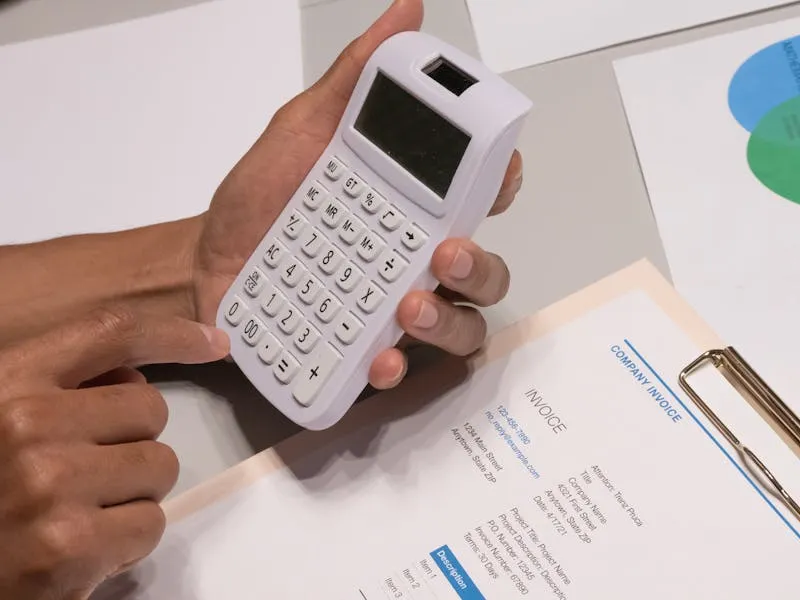
| What you're getting | Cost | |---|---| | 5-page business website (home, about, services, portfolio, contact) | ₦350,000 one-off | | 10-15 page site + SEO setup | ₦650,000 one-off |
Both prices include: full mobile-responsive design, image optimisation, basic SEO foundations (meta titles, descriptions, structured URLs, schema markup), a working contact form, domain and hosting guidance, and one round of revisions after the first draft. You receive full admin access to the domain and hosting at handover.
You can pay less. A developer found through Facebook or Telegram might offer a business site for significantly less. At that price, you're usually getting a template with your logo swapped in: no speed optimisation, no SEO foundations, no testing beyond "does it look okay on my laptop."
The rule of thumb: a site that loads slowly, has no SEO foundations, and puts you in a position where you need to call the developer every time something needs updating is costing you customers every day it's live. The savings on the build cost are visible upfront. The cost in lost conversions shows up later.

How long does it take to build a website in Nigeria
A first draft is ready 10-14 business days from the point the brief is agreed and all content is received.
"Content is received" is the part that almost always extends the timeline. Most projects stall at the content stage: business photos, written descriptions of services, team bios, portfolio examples. The developer can design a page structure. They cannot write your business story for you. Clients who arrive with content ready move the fastest.
A realistic end-to-end timeline for a standard business site:
- Week 1: brief, content gathering, wireframe approval
- Weeks 2-3: design and build
- Week 3-4: review, revisions, speed and mobile testing
- Week 4: go live
Complex e-commerce platforms or sites with custom functionality take longer, typically 6-12 weeks. For most Nigerian SME sites, four weeks end-to-end is achievable.
Anything promising a fully custom site in 48 hours is either a template switch with your logo on it, or a signal to slow down.
What to look for when hiring a web designer in Nigeria
Portfolio first. Proof second.
Ask for live URLs, not screenshots. A real portfolio is a link you can open on your phone today. See how it loads. If a developer's recent work loads slowly on mobile, yours will too.
Test page speed independently. Go to Google PageSpeed Insights and paste in the URL of a site they built. A score above 70 on mobile is solid. Below 50 is a warning. Many Nigerian developers build sites with uncompressed images and shared hosting with no caching. Both tank speed scores and conversion rates.
Clarify ownership before you pay. Ask directly: after handover, will I have full admin access to the domain registrar and hosting account? A common pattern in Nigeria is that developers retain access to a client's domain "for maintenance." If you later want to switch agencies or developers, you may find you don't control your own domain. Get this confirmed in writing before any deposit is paid.
Communication channel. Ask how they communicate day-to-day. An agency that only responds via formal email on a 72-hour cycle creates friction for every decision that needs a quick answer. In Nigerian business contexts, WhatsApp is the practical standard. If that's a problem for them, factor it in.
Questions to ask before you pay anyone
Three questions that are worth asking any web designer or agency in Nigeria before committing:
"Can you give me the URL of a business website you built in the last six months?" Visit it on your phone. Note what loads and what doesn't.
"What's the PageSpeed Insights mobile score for that site?" You can check it yourself at Google PageSpeed Insights in two minutes. A designer who doesn't know the score, or becomes evasive when you ask, is telling you something useful.
"After handover, who holds the domain registrar login and hosting credentials? Will I have full admin access, or will I need to go through you to make changes?" This is the question most people don't think to ask until they need to move the site and discover the developer is the only one with login details. One clear written answer before the deposit is paid avoids the situation entirely.

When a custom website isn't what you need yet
Not every business is ready for a full website build. That is worth saying directly.
You probably don't need a custom website right now if:
- Your service offering isn't clearly defined. A ₦350,000 site built without clarity on what you sell and who you sell to is usually rebuilt 18 months later.
- You need clients in the next 30 days. A new site takes four weeks to build and months to start ranking organically. For immediate lead generation, Google Ads or a properly configured WhatsApp Business profile will move faster.
- Your existing website's problem is speed, not design. If your current site loads slowly, a ₦120,000 technical and on-page audit may reveal fixes that cost less than a full rebuild.
- You have no Google Business Profile set up. For any local business (restaurants, clinics, law firms, retail shops), a correctly optimised GBP listing drives discovery calls within 90 days at zero build cost. That should come before a new website for most local businesses.
If Google Business Profile optimisation will solve 80% of your visibility problem for ₦45,000, that is worth knowing before you budget ₦350,000 on a new site.
- →Website speed in Nigeria , the five things that make Nigerian websites slow and how to fix them before they cost you customers.
- →SEO expert in Nigeria , once your website is built and fast, this is the next conversation: how to get it ranking.
- →Google Business Profile in Nigeria , for local businesses this free tool often delivers more discovery calls than a new website does.
- →Website designer in Abuja , if you're in the FCT and want a site built to rank, not just to look nice.
- →Get a free website audit , we'll check your current site's speed, SEO foundations, and mobile performance before you decide anything.

Frequently Asked Questions About Website Design in Nigeria
- How much does a website cost in Nigeria?
- A professionally designed 5-page business website in Nigeria costs around ₦350,000 as a one-off project. A 10-15 page site with SEO setup costs ₦650,000. Freelancers and template-based services cost less but typically don't include speed optimisation, SEO foundations, or post-launch support. The build cost is one number. The cost of a slow, unconverting site tends to be higher, just harder to see.
- How long does it take to build a website in Nigeria?
- A first draft is typically ready 10-14 business days from the point the brief is agreed and content is provided. End-to-end, from first conversation to a live site, is usually 3-4 weeks for a standard business site. The main variable is content: business photos, service descriptions, and copy. Clients who arrive with that ready move the fastest. Complex e-commerce platforms take 6-12 weeks.
- What should a professional website include?
- At a minimum: clear navigation, a mobile-responsive layout, fast load time on 4G connections, a working contact form, and basic SEO setup (meta titles, descriptions, clean URLs). For a business site, an about page, services page, and some form of social proof (client names, testimonials, results) round it out. SEO foundations should be built in during the design process, not bolted on afterward.
- How do I choose a good web designer in Nigeria?
- Ask for live URLs of recent work, then open them on your phone. Check the PageSpeed Insights score for a site they built. Ask directly who will own the domain and hosting credentials after handover. A designer who has produced mobile-optimised, fast-loading sites for past clients, and can prove it with a URL, will do the same for you. Portfolios in PDFs and screenshots are easier to fake.
- Can I build my own website for free in Nigeria?
- Yes. Wix, Squarespace, and WordPress.com offer free tiers. For a basic online presence or to test an idea, a free builder is a reasonable starting point. For a business site you want to rank on Google and convert into clients, the limitations of free platforms (restricted custom domains, slower load times, no custom code, limited SEO control) usually become constraints within 12-18 months.
- Do I need SEO when I build a website in Nigeria?
- SEO foundations should be built into the site during the build, not added later. That means clean URLs, correct heading structure, proper meta titles and descriptions, fast load time, and schema markup. Ongoing SEO (content, link building, ranking for specific keywords) is a separate engagement. But if the developer doesn't set up the technical foundations during the build, you'll pay to fix them at some point.
- What is the difference between web design and web development in Nigeria?
- Web design is the visual and UX layer: layout, typography, colour, imagery, and user flow. Web development is the technical layer: code, database connections, custom functionality, and server configuration. Most Nigerian web agencies handle both. The distinction matters when you need something complex, like a custom booking system or payment integration, where you need a developer's depth beyond design skills.
- Who owns my website after it's built?
- You should. Domain registration, hosting account access, and CMS admin credentials should all transfer to you at handover. The problem is that many Nigerian developers retain access to client domains for ongoing maintenance, which creates dependency. Before paying any deposit, confirm in writing that you will receive full admin access to the domain registrar and hosting account, and that the developer will not be the sole holder of your login credentials.
These Q&As are emitted as FAQPage schema in the page head. Google may show them directly in search results.
Still not sure? Send us a message.
If you're trying to figure out whether your business needs a new website, a redesign, or a fix to what's already live, send us a WhatsApp message or give us a call. We'll look at your current site, check the speed, and tell you what the honest next move is. No pitch. Just the honest answer.