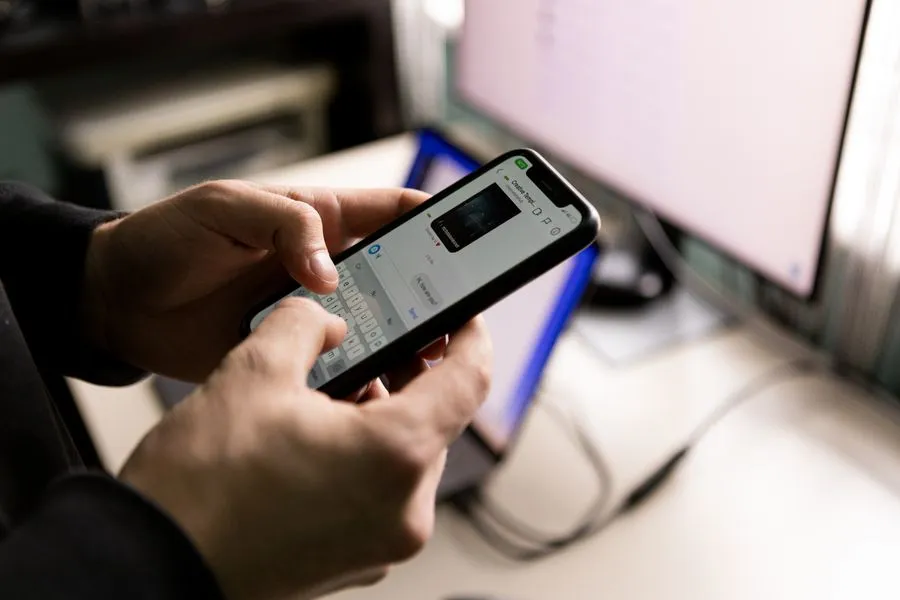
WhatsApp is where Nigerian business actually happens, and a message there gets opened far more reliably than an email or a social post ever will. You can start marketing on it today, for free, with the WhatsApp Business app: a proper profile, labels, a catalogue, and broadcast lists. You only need the paid Business API once you are handling real volume or want proper automation and chatbots. This guide covers the free setup, when to upgrade, how automation works, how to avoid getting your number banned, what it costs, and when automating is simply overkill.
WhatsApp is where Nigerian business already happens. Marketing on it is just doing on purpose what your customers are already doing by habit.
The direct answer: WhatsApp marketing is using WhatsApp to reach and sell to customers through broadcasts, catalogues, quick replies, and automation. For most Nigerian businesses you start free with the WhatsApp Business app, and you only move to the paid WhatsApp Business API when you are handling real message volume or want proper automated flows and chatbots.
The reason it works here is simple. Nigerians open WhatsApp all day, and they trust a message in their chat list far more than an ad or a cold email. A WhatsApp message gets opened around 98% of the time. Email is closer to 20%. That gap is the whole opportunity.
Here is the honest version: the free tools, when to pay, how automation works, how not to get banned, what it costs, and when automating is a waste of money.

How WhatsApp marketing works for a Nigerian business
WhatsApp marketing turns your contact list into a channel you own. Nobody can throttle your reach or charge you to be seen the way a social platform does.
It works in three layers, and most businesses only ever use the first one badly:
- Conversations. Answering enquiries, sending prices, closing sales in chat. This is what everyone already does, usually from a personal number with no structure.
- Broadcasts and catalogues. Sending an offer to your whole list at once, and letting people browse your products inside WhatsApp. Free, and most businesses ignore it.
- Automation. Instant replies, welcome messages, order confirmations, and chatbots that answer at 2am while you sleep. This is where it stops being a chat app and starts being a system.
You do not need all three on day one. You need the first two done properly, and the third only when volume justifies it. Getting there in order is the difference between WhatsApp as a hustle and WhatsApp as infrastructure.

Why WhatsApp beats email and social in Nigeria
WhatsApp beats email and social media in Nigeria on the one metric that decides everything: whether your message actually gets seen.
- Open rates. A WhatsApp message is opened around 98% of the time. A marketing email in Nigeria is lucky to hit 20%. You can write the best email in the world, but most of the list never opens it.
- Trust. Nigerians buy from people, and a WhatsApp chat feels like a person. An ad feels like a company trying to sell you something, because it is.
- Data cost. WhatsApp uses almost nothing. For a customer watching their data like everyone else, that matters more than marketers from data-rich countries ever remember.
- Reach you own. On Instagram, the algorithm decides who sees your post. On WhatsApp, your broadcast reaches everyone who saved your number. You are not renting the audience.
None of this means abandon everything else. It means WhatsApp is usually the channel where the sale actually closes, even when the customer first found you on Instagram or Google. Treat it as the place deals happen, not a side channel.
WhatsApp Business app vs WhatsApp Business API
The WhatsApp Business app is free and enough for most small businesses. The WhatsApp Business API is a paid, more powerful system for higher volume and real automation. Knowing which you need saves you money and a headache.
The WhatsApp Business app is the free one you download like normal WhatsApp. It gives you a business profile, labels to organise chats, a product catalogue, quick replies, away messages, and broadcast lists of up to 256 saved contacts. For a shop, a salon, a consultant, or most SMEs, this is genuinely all you need, and it costs nothing.
The WhatsApp Business API has no app you tap open. It is a system that connects WhatsApp to software, accessed through an approved provider, and it exists for businesses handling high message volume, running proper automated campaigns, needing several agents on one number, or wanting chatbots and CRM integration. It is paid, priced per conversation, and it is where serious automation lives.
The honest rule: start on the free app. Move to the API only when the free app's limits are actively costing you sales, not because the API sounds more professional. Plenty of businesses pay for the API and use it to do what the free app already did.
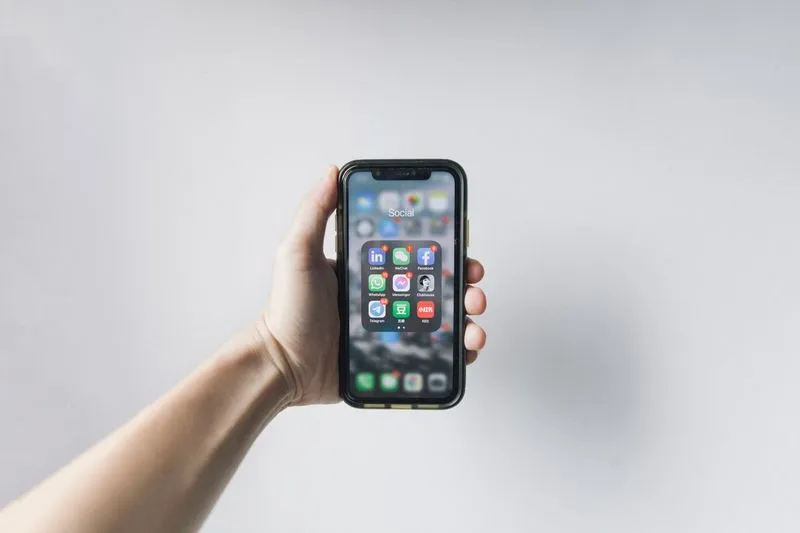
How to set up WhatsApp marketing, the free way first
Set up the free WhatsApp Business app before you spend a naira on anything. Ninety percent of what most Nigerian businesses need is in the free app, sitting unused.
The order that works:
- Download WhatsApp Business and register your business number. Use a dedicated line, not your personal number, so work and life do not bleed into each other.
- Complete the business profile. Name, category, description, address, hours, website, email. This is your shopfront. A blank profile reads as a business that is not quite real.
- Build your catalogue. Add your products or services with photos, prices, and descriptions. Now customers browse and buy without you retyping the price list forty times a day.
- Set up quick replies and an away message. Save your common answers so you send them in two taps, and tell people when you are offline so silence does not read as being ignored.
- Use labels to organise chats. New enquiry, paid, delivered, follow up. Simple, free, and it stops leads falling through the cracks.
- Start building broadcast lists. Every customer who saves your number can receive your broadcasts. Which brings us to the tools nobody uses.
The free WhatsApp tools most businesses ignore
The WhatsApp Business app ships with marketing tools most Nigerian businesses never touch, then they go and pay for software to do the same thing.
- Broadcast lists. Send one message to up to 256 saved contacts at once, and each person receives it as a private, individual chat, not a group. This is your free newsletter with a 98% open rate. The catch is they must have saved your number, which is a feature, not a bug, because it keeps your list to people who actually want you.
- The catalogue. A free, browsable product list inside WhatsApp. Share a link, share a single product, let people add to cart. For a small retailer this replaces a basic online shop.
- Labels. A free mini-CRM. Tag every chat by stage and you always know who paid, who is waiting, and who to follow up.
- Quick replies. Saved responses you fire with a shortcut. The difference between answering 50 enquiries an hour and 15.
- Greeting and away messages. Automated first responses, free, on the basic app. Someone who messages at midnight gets an instant reply instead of silence.
Learn these before paying for anything. Most of the "WhatsApp marketing tools" being sold to Nigerian businesses are wrappers around features the free app already has.
WhatsApp automation and chatbots: where it gets powerful
WhatsApp automation is where the channel stops eating your time and starts running itself. This is the part worth paying for, once you have outgrown the free tools.
Automation, usually built on the Business API, lets you set up flows that run without you:
- Instant replies to common questions. Price, location, opening hours, delivery, answered in the same second, at any hour, without you touching the phone.
- Welcome and follow-up sequences. A new contact gets a warm first message, then a nudge a day later if they went quiet, automatically.
- Order and payment confirmations. The moment someone pays, they get confirmation, then tracking, without a human sending it.
- Chatbots that qualify leads. A bot handles the first few questions, sorts the serious buyers from the browsers, and only passes the real ones to you.
Done well, this is like hiring a customer-service rep who works 24 hours, never forgets a follow-up, and costs a fraction of a salary. Done badly, it feels robotic and cold, which is a real risk in a culture that values a personal touch. The skill is automating the repetitive parts while keeping the human where it matters. This is the kind of system we build for clients, and the difference between an automation that converts and one that annoys is entirely in the setup.
The fastest way to get your WhatsApp number banned
The fastest way to lose your WhatsApp number is to buy a list and blast it. Meta bans bulk spam aggressively, and a banned number takes your whole customer list with it.
The rules that keep you safe are not complicated:
- Only message people who saved your number or opted in. Messaging strangers who never agreed is the number one path to a ban.
- Never buy a contact list. The "send to 10,000 numbers" services being sold around Nigeria are a fast track to losing your account. That is not marketing, it is a countdown.
- Do not blast identical messages to huge groups rapidly. Meta's systems read that as spam behaviour, because it is.
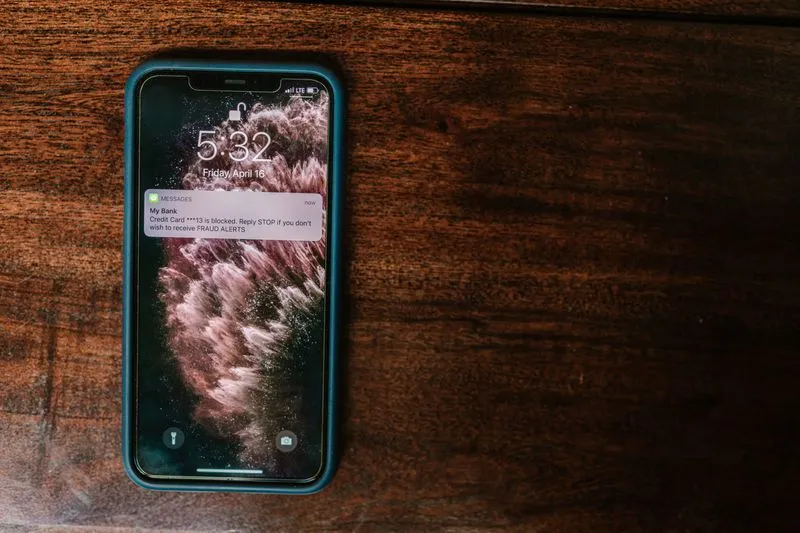
- Give people a way out. Let them reply STOP and mean it. A clean list of people who want you beats a huge list of people reporting you.
Here is the uncomfortable truth the bulk-sender sellers will not tell you. One customer who opted in and trusts you is worth more than 10,000 scraped numbers, because the 10,000 will report you and the one will buy. Chasing the big number is how businesses lose the account they actually needed.

What WhatsApp marketing costs in Nigeria
WhatsApp marketing starts free and only costs money when you add volume or automation. The pricing depends entirely on which layer you are on.
- The WhatsApp Business app: free. Profile, catalogue, labels, broadcasts to 256 contacts, quick replies, away messages. Zero Naira. This alone runs a serious small business.
- The WhatsApp Business API: paid, per conversation. You pay through an approved provider, charged per 24-hour conversation window, with rates that vary by conversation type and change over time. Sensible for higher volume and automation, overkill for a shop doing 30 chats a day.
- Automation setup and management. Building the flows, the chatbot, and the integrations is a one-off build plus ongoing management. This is quote-based, because a simple auto-reply and a full lead-qualifying chatbot with payment integration are not the same job.
We do not put a fixed price on WhatsApp automation because it depends entirely on what you are automating. Tell us what you want the system to do and we will scope it honestly, including telling you when the free app already does it.

When to automate, and when it's overkill
Automate WhatsApp when the volume is genuinely eating your time. Before that, automation is a solution looking for a problem, and the free app plus a human is better and cheaper.
Automate when:
- You are getting more enquiries than you can answer quickly, and leads are going cold while they wait.
- You answer the same three questions all day, every day. That is exactly what a bot should take off your hands.
- You are losing sales at night or on weekends because nobody is there to reply.
Do not automate yet if:
- You handle a manageable number of chats a day. A human on the free app will out-convert a bot every time at low volume, because the personal touch is the whole advantage.
- Your business runs on relationships and nuance, where a wrong automated reply costs you more than a slow human one.
- You have not yet set up the free tools. Automating a mess just gives you a faster mess.
We tell clients this before quoting. If the free WhatsApp Business app plus a person answering properly will solve your problem, that is the cheaper fix, and we will say so before we sell you a chatbot you do not need yet.
If you have read this far, you now understand WhatsApp marketing better than most of the people currently selling "bulk WhatsApp" packages, which is a low bar, but a useful one to clear before anyone tries to sell you 10,000 numbers.

Want us to build your WhatsApp system?
We set up and automate WhatsApp for Nigerian businesses, from the free app done properly to full chatbots and lead-qualifying flows, and we train your team to run it. In person at our Abuja hub, online, one-on-one, or as a group session. Everything we do for clients, we teach.
You can see how this connects to the rest of our work in our guide to AI tools and automation for Nigerian businesses, or if you would rather hand it over than learn it, our digital marketing services page has the honest version.
- →AI tools and automation for Nigerian businesses , where WhatsApp automation fits into the bigger picture of running your business on autopilot.
- →How to run Facebook ads in Nigeria , the best way to fill your WhatsApp list with new leads in the first place.
- →Google Business Profile in Nigeria , another free channel that sends you customers who are ready to message.
- →Our training programs , learn to set up and automate WhatsApp yourself, in person in Abuja, online, or as a team session.
- →Let us build your WhatsApp system , from the free app done right to full chatbots. You get a quote scoped to what you actually need.
Want to learn WhatsApp automation yourself?
We train individuals and organisations across Nigeria and Africa. In person in Abuja, online, one-on-one, or as a group session for your team. Everything we do for clients, we teach. You walk away with skills you can use the next day.

Frequently Asked Questions About WhatsApp Marketing in Nigeria
- Is WhatsApp marketing legal in Nigeria?
- Yes, WhatsApp marketing is legal in Nigeria when done properly, meaning you message people who saved your number or opted in to hear from you. What gets you in trouble is not the law but Meta's own rules: buying contact lists and blasting strangers breaks WhatsApp's terms and gets your number banned. Stay with people who agreed to hear from you and you are both legal and safe.
- Do I need the WhatsApp Business app or the WhatsApp Business API?
- Most small businesses only need the free WhatsApp Business app, which gives you a business profile, catalogue, labels, quick replies, away messages, and broadcasts to up to 256 saved contacts. You only need the paid Business API when you are handling high message volume, want proper automation and chatbots, need several agents on one number, or want CRM integration. Start free and upgrade only when the free app's limits actively cost you sales.
- How much does WhatsApp marketing cost in Nigeria?
- The WhatsApp Business app is completely free and runs a serious small business on its own. The WhatsApp Business API is paid, charged per 24-hour conversation through an approved provider, with rates that vary by conversation type. Automation setup, building the flows and chatbots, is a one-off build plus management, and is quote-based because a simple auto-reply and a full lead-qualifying chatbot are very different jobs.
- How do I send bulk messages on WhatsApp without getting banned?
- Use the broadcast list feature in the free WhatsApp Business app, which sends to up to 256 contacts who have saved your number, delivered as individual private chats. Only message people who opted in, never buy a contact list, avoid blasting identical messages to huge groups rapidly, and give people a way to opt out. The 'send to 10,000 numbers' bulk services sold around Nigeria are the fastest way to get your number permanently banned.
- What is the difference between a WhatsApp broadcast and a group?
- A broadcast sends one message to many saved contacts, but each person receives it as a private one-to-one chat and cannot see anyone else on the list, which is ideal for marketing. A group puts everyone in one shared conversation where they see each other and can all reply, which gets noisy fast and is easy to mute or leave. For sending offers and updates, broadcasts are almost always the right tool.
- Can I automate WhatsApp for my Nigerian business?
- Yes. The free app offers basic automation like greeting and away messages and quick replies. For real automation, instant answers to common questions, welcome and follow-up sequences, order confirmations, and chatbots that qualify leads 24/7, you use the WhatsApp Business API through a provider. Automation is worth it once message volume is eating your time or you are losing sales when nobody is available to reply. At low volume, a human on the free app usually converts better.
- Which is better for a Nigerian business, WhatsApp marketing or email marketing?
- For most Nigerian businesses, WhatsApp wins on the metric that matters: a WhatsApp message is opened around 98% of the time versus roughly 20% for email. Nigerians also trust a chat message more than a marketing email and it uses far less data. Email still has its place for longer content and formal communication, but if you want a message actually seen and acted on quickly, WhatsApp is usually the stronger channel here.
- How do I get customers to join my WhatsApp list?
- Give people an easy reason and an easy way to save your number. Add a click-to-chat WhatsApp link and button to your website and social profiles, put a QR code on your packaging, receipts, and physical store, and offer something worth opting in for, a discount, early access, or useful updates. The goal is a list of people who genuinely want to hear from you, which is far more valuable than a big list of people who will report you as spam.
These Q&As are emitted as FAQPage schema in the page head. Google may show them directly in search results.
Still not sure? Send us a message.
If you cannot tell whether you need the free app, the API, or full automation, send us a WhatsApp message or give us a call. Tell us how many chats you handle a day and what keeps eating your time, and we'll tell you honestly whether to set it up yourself, upgrade, or leave automation alone for now. Sometimes the free app plus a person is the right answer, and we will say so. No pitch. Just the honest answer.