A small business website in Nigeria needs a domain name that matches your business, hosting that doesn't slow down on Nigerian mobile networks, content that answers a customer's actual question, and an SSL certificate. Free builders can get a basic version online in a weekend. A professionally designed 5-page site with proper setup costs ₦350,000 as a one-off project, delivered in 10 to 14 business days. This post covers both paths and how to pick between them honestly.
A professional website for a small business in Nigeria needs four things: a domain name that matches your business, hosting that doesn't choke under Nigerian mobile traffic, content that answers what a customer actually wants to know, and an SSL certificate. Everything else, animations, sliders, a blog you'll update twice, is decoration.
Most guides on this topic bury that answer under nine steps and a pitch for a hosting company. Here's the honest version: what you actually need, what it costs in Naira, and when to stop reading this and pay someone instead.
What a small business website in Nigeria actually needs
Four pages, done properly, beat twelve pages done badly.
Home. States what you do and who you do it for, in the first sentence a visitor reads. Not a slogan. A sentence.
About. Who you are and why anyone should trust you with their money. One paragraph, a photo if you have a decent one, no essay.
Services or products. What you're selling, in plain terms, with a price or a way to ask for one. Vague descriptions are why people leave and message a competitor on Instagram instead.
Contact. Phone number, WhatsApp link, physical address if you have one, and a form that actually sends somewhere you check.
Every "website essentials" checklist online tells you to add a blog, a newsletter signup, and a live chat widget before you've sold a single thing. Ignore all three until the four pages above are done and answering questions correctly.
The one feature that isn't optional: it has to work on a phone. Most of your visitors will arrive on one, on a connection that isn't always strong. A responsive layout that resizes itself, buttons big enough to tap without missing, and text that doesn't require pinching to read, that's not a nice-to-have. That's the actual bar for "professional" in 2026.
Domain name and hosting, and what actually matters
Your domain name should be your business name, or close to it. Not a keyword phrase, not something clever that needs explaining. If someone hears your business name once, typing it into a browser should get them to your site.
Hosting is where most Nigerian small business websites quietly fail. Not because the site is ugly, because it's slow.
A client of ours, a fashion retailer in Lagos, spent six months wondering why their Instagram following wasn't converting into sales. We pulled up the website. It took 14 seconds to load on a Lagos 4G connection. Their Instagram traffic was arriving, clicking, and leaving before a single product image appeared. We fixed the hosting and image sizes in a week. Bounce rate dropped from 91% to 43%, and the same traffic that had been leaving started buying.
Here's the opinion I'll stand behind: most Nigerian businesses don't need SEO first, they need a website that works. If your site loads in over 3 seconds on a Nigerian mobile connection, you're losing customers before they see anything you sell. That's not a marketing problem. It's a fundamentals problem, and it's usually a hosting problem.
Pick hosting built for your region, or at least tested from a Nigerian connection before you launch. Cheap hosting that saves you a few thousand naira a year and costs you half your visitors is not cheap.
DIY builder or a developer: which one fits your business
Free and low-cost website builders exist for a reason. If you run a service business and mainly need a professional-looking page with your details on it, a builder gets you there without hiring anyone.
The tradeoff: you get a template. Everyone using the same builder and the same theme ends up with a website that looks like everyone else's. Fine for a starting point. Not fine if your brand depends on standing out, or if you need anything custom, like a booking system or a specific way of showing your catalogue.
A developer costs more upfront and gets you something built around your actual business, not a template with your logo dropped in. For a business that plans to still be using this website in three years, that difference usually pays for itself.
Neither option is wrong. The mistake is picking the expensive option when a builder would have done the job, or picking a builder when your business genuinely needs something custom and ends up looking like it's stuck in a template it's outgrown.
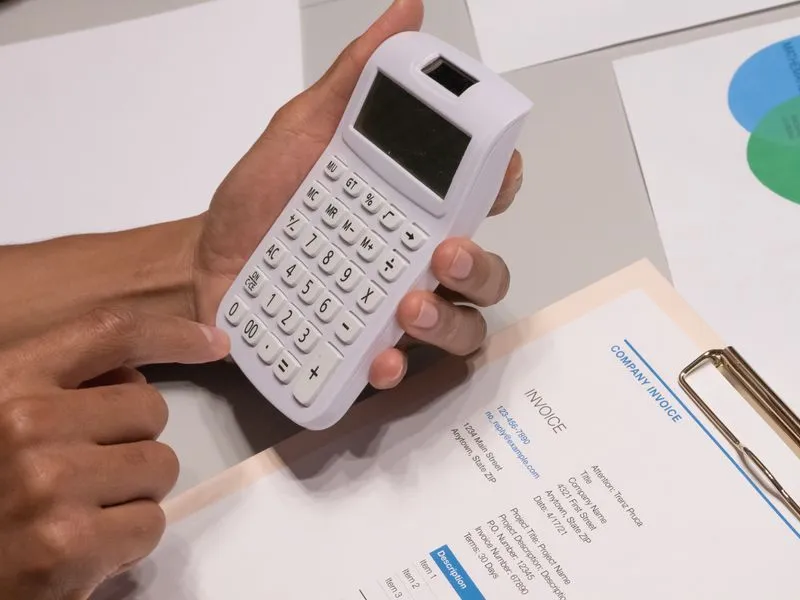
What it actually costs to build a website in Nigeria
Real numbers, as of 2026.
| Route | What you get | Cost | |---|---|---| | DIY builder | Basic professional site, template-based | Your time, plus domain and hosting | | Web design (5-page business site) | Custom-built, business-specific | ₦350,000 one-off | | Web design (10–15 page site + SEO setup) | Custom-built, larger site, search-ready | ₦650,000 one-off | | Content writing (per 1,000-word page) | Written copy if you're not writing it yourself | ₦25,000 |
A professionally built 5-page site takes 10 to 14 business days from brief sign-off to first draft. That's not a "we'll get back to you" timeline, that's the actual delivery window when someone experienced is doing it.
Anyone quoting significantly under these numbers for a fully custom build is either reusing a template and calling it custom, or planning to spend far less time on your project than it needs.
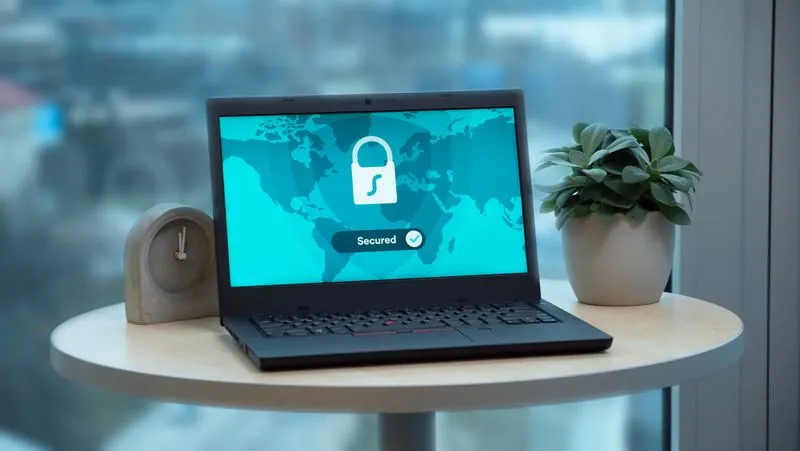
Security basics: SSL and the stuff people skip
An SSL certificate is the difference between a browser showing a padlock next to your website address and showing a warning that scares visitors away before they read a word. Every legitimate hosting provider includes this now, free, as standard. If yours doesn't, that's a hosting provider to leave.
Beyond SSL: keep your website software and plugins updated, and keep a backup somewhere that isn't the same server as your live site. Most people skip both until something breaks, at which point it's a much more expensive afternoon than it needed to be.

When to build it yourself, and when to hire someone
You already know which type of person you are. The kind who enjoys tinkering with settings until midnight, or the kind who wants this handled so you can get back to running the business. Both are valid. Only one of them should build their own website.
Build it yourself if: your needs are simple, your time is genuinely free, and you're comfortable troubleshooting when a plugin update breaks something at 11pm.
Hire someone if: your website needs to make money from day one, you don't have spare hours to learn a builder's quirks, or the last time you tried to fix something technical yourself it took a weekend and it still wasn't quite right.
There's no shame in either answer. We've told business owners with simple, low-stakes websites to save their money and use a free builder. We'll keep telling people that, even when it means they don't hire us.
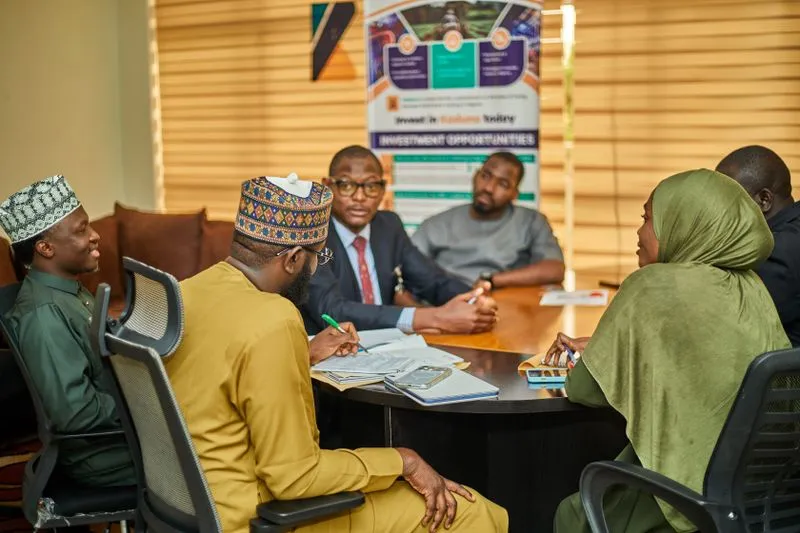
How to choose a website design company, if you go that route
Ask to see three things before you pay anyone a naira.
Actual client websites, not a portfolio of mockups. Anyone can design a beautiful page that was never built. Ask for live URLs of sites they built for real businesses, and actually visit them on your phone.
A written scope before work starts. What pages, what features, what it costs, and by when. "We'll figure it out as we go" is how ₦300,000 disappears with a half-finished website to show for it.
A straight answer about hosting and who owns what. Some companies build your site on hosting they control, then hold it hostage if you want to leave. You should own your domain, your hosting account, and your content, full stop.
If a company can't answer those three clearly, that's your answer before you've even discussed price.
If you've read this far, you now know more about building a website than most of the "website design companies" currently bidding on your project. Whether you build it yourself tonight or hand it to someone else next week, at least you'll know if they're doing it right.

Want to learn web design directly from us?
If you'd rather understand this properly than take our word for it, we teach it. In-person training in Abuja, online sessions, one-on-one coaching, or a group session for your whole team if you're training staff to manage this in-house. You walk away able to build and maintain a site yourself, not just having watched someone else do it.
Want to learn web design yourself?
We train individuals and organisations across Nigeria and Africa. In person in Abuja, online, one-on-one, or as a group session for your team. Everything we do for clients, we teach. You walk away with skills you can use the next day.
- →Website design in Nigeria , what website design actually involves and what to look for when hiring a web designer.
- →How much does website design cost in Nigeria , the full pricing breakdown, from a 5-page site to full e-commerce.
- →How to learn web design in Nigeria , free tools, where to learn, and how long it actually takes.
- →Our training programs , in-person in Abuja, online, one-on-one, or as a group session for your team.
- →Get a free website review , we'll look at what you have and tell you honestly what it needs.
Frequently Asked Questions About Building a Small Business Website in Nigeria
- How much does it cost to build a website for a small business in Nigeria?
- A DIY builder costs little beyond domain and hosting fees. A professionally built 5-page business website costs ₦350,000 as a one-off project. A larger 10 to 15 page site with SEO setup included is ₦650,000. If you need copy written for you, content costs ₦25,000 per 1,000-word page on top of that.
- Do I need to know how to code to build my own website?
- No. Modern website builders let you build a professional-looking site without writing a line of code, using drag-and-drop editors and templates. Coding knowledge helps if you want something fully custom, but it's not required to get a working business website online.
- What is the difference between a domain name and web hosting?
- A domain name is your website's address, the part people type into a browser. Hosting is the server space where your website's actual files live. You need both, from either the same provider or different ones, and they're usually billed separately and renewed annually.
- Can I build a professional website for free in Nigeria?
- You can build one for very little. Most builders offer a free tier, but you'll still need to pay for a proper domain name and, in most cases, upgrade to remove the builder's branding and unlock features like a custom domain connection. Budget for those two costs even if the builder itself is free.
- How long does it take to build a small business website?
- A DIY build on a website builder can be done in a weekend if your content is ready. A professionally built 5-page site takes 10 to 14 business days from the day you sign off the brief, not from the day you first make contact.
- Do I need an SSL certificate for a small business website?
- Yes. Without one, browsers show visitors a warning before they even reach your site, which kills trust instantly. Every reputable hosting provider now includes SSL for free as standard, so there's no reason to go without it.
- Should I hire a website designer or build it myself?
- Build it yourself if your needs are simple and you have the time to learn a builder's quirks. Hire someone if the website needs to make money from day one, or if you don't have spare hours for troubleshooting. Neither choice is wrong, it depends on your time and how much the website matters to your revenue.
- How do I make sure my website shows up on Google?
- Getting built and getting found are two different jobs. A website answers visitors once they arrive. Showing up on Google when people search is a separate discipline called SEO, which starts with making sure your site loads fast and is set up correctly, then builds from there.
These Q&As are emitted as FAQPage schema in the page head. Google may show them directly in search results.
Still not sure? Send us a message.
If you're trying to work out whether to build this yourself or hand it to someone, send us a WhatsApp message or give us a call. We'll look at what you're trying to do and tell you honestly which route makes sense for your business. No pitch. Just the honest answer.